How much is convenience worth to you? We all probably feel like there are not enough hours in the day to accomplish all of the things we think we have to get done or feel like we should get done. I often feel like I should have more accomplished at the end of the day than I do but when you have kids in school and you work outside the home, convenience seems to have a lot more value with regards to my time.

Convenience for me often comes in the form of already prepared meals that merely require us to heat them up in the microwave or maybe the oven, swinging through a fast food place on my way home, or popping a few frozen waffles in the toaster in the mornings. Convenience food certainly helps my time usage but at what cost to our health and to the environment? Most prepared foods are higher in sodium or other unattractive components that are often unpronounceable food additives for flavor and preservation. Home cooking, however, is more often comprised of food items I can pronounce and identify like chicken + lemon + pepper + salt + other vegetables or seasonings. It also requires more time and when you work 9 hours outside the home plus the commute time to and from work as well as any additional time to chauffeur children around or run errands, the time left to cook is limited. So at the end of the day, I find myself preferring something fast and easy over nutritious and time consuming. It is a daily struggle but when you consider the cost of convenience, you think it would be easier to resist that temptation.
One of the times that convenience really seems to sway my shopping is when I am buying items for lunches. I only have one kiddo in school now but that will change and at some point there will be two lunches that need to be made every morning (unless they want to buy school lunches on occasion). Yes, when they’re old enough, they will be pitching in to help make them but when it comes to how much time you’re spending making lunches, “convenient” is certainly seductive. It would be convenient to grab a prepackaged meal-able with its little pockets of meat, cheese, and crackers, another plastic tube of flavored yogurt, perhaps a plastic cup of applesauce or fruit, and then toss in a single-serve baggie of cookies. Oh and maybe a juice box of their choice. That would be grabbing five items and a spoon (probably a disposable so they don’t lose the silverware), tossing them in the lunchbox, and viola! Lunch is packed!
However, on the flipside of all that convenience is a whole lot of trash from the packaging. Consider those five items + spoon. That is a lot of plastic which you may or may not be able to recycle and honestly, if there was a recycling option, would your child be well versed enough to recycle what can be recycled? We can all hope, right? Plus, if you think about what is in those food items, that convenience also introduces a lot of unpronouncable things into your child’s diet and probably a high amount of sugar and sweeteners.

Source: Image by Michael Moriarty from Pixabay
An article I discovered on nbcnews.com talks about how Americans’ consumption of potatoes increased significantly after the creation of an automatic process for making french fries. They report that “the perfection of technology to mass-produce French fries by mechanically peeling, cutting and cooking them and then deep-freezing… [resulted in] wide availability of cheap, tasty frozen fries sparked a 30% increase in potato consumption in just 20 years.” Combine better technology in food preparation with the increase in “the burgeoning science of chemical flavoring and new technologies for processing and preserving foods to create ‘high fat, high sugar, high taste foods’ in the 1980 and 1990s, and we see an increase in consumption in general and a subsequent rise in obesity in the population. It is certainly a lot quicker for the time-strapped parent to opt for those conveniently packaged food options but when you start reading ingredient lists, you start to wonder just what the heck you are consuming. We started being more diligent with reading food labels after our youngest was diagnosed with food allergies but when you’re having to Google what the heck half of the items listed actually are, you begin to wonder if anyone should be ingesting some of that stuff!
For example, there’s one particular packaged cookie W really enjoys. Rumor has it that elves make them in a tree somewhere. Somehow, those elves mix enriched flour (which contains six items in it), sugar, vegetable oil (three items in ‘vegetable oil’), high fructose corn syrup, cocoa processed with alkali (this is called “dutching” the cocoa which “darkens the cocoa ingredients, changes the taste by reducing bitterness, and increases the dispersability of cocoa powder for various applications such as beverages”*), and whey. There’s also less than 2% or less of a handful of other ingredients including “sorbitan tristearate,” which I had to look up; it is a nonionic surfactant, basically a food stabilizer, dispersing agent, and emulsifer.
*Quote source: Miller et al. Impact of alkalization on the antioxidant and flavanol content of commercial cocoa powders. J Agric Food Chem 56:8527-33 (2008).
They sell these cookies in single serve packages which would make it really easy to toss into that lunchbox in the morning. It’s already measured out and packaged for individual consumption; super convenient, right? I can pick up a box of 12 such cookie packages for $4.54 + tax. That makes them $0.38 per one-ounce package. I could pay $3 for a larger 17.3 ounce package of those cookies where I would have to package them out for my kiddo. That figure would be $0.18 per ounce. If I package those for W’s lunch in reusable bags, then he would eat the cookies and bring the bag home to be washed and used again the next day. There would be zero waste going into the trashcan. By purchasing a larger package of cookies and then doling them out into reusable containers, we reduce the packaging waste from many single-serve plastic/foil packages plus the cardboard box they came in to a single cookie package which might be recyclable, depending on your area’s availability.
We could run this same scenario for each of the items mentioned that would get tossed in a lunch box. Instead of single serve applesauce cups with plastic spoons, put in a whole apple or slice it up and send them to school in a reusable container! You also don’t have to worry about your silverware getting tossed in the trash by accident. Once the child eats the apple, the remaining core could be brought home for composting or maybe your school is going green and has some sort of composting of food scraps on campus somewhere. For yogurt, purchase larger containers of yogurt and dole it out into sealable, reusable containers. If they like those yogurts with toppings, you can send those in separate reusable containers. I discovered the hard way that adding my granola on top of the yogurt was not a good idea. By the time I got to work after dropping off the kids, the granola was excessively mushy and not as appealing. Water bottles instead of juice boxes and let’s be honest; we could all be drinking more water for our health. Our teeth would also thank us. There are lots of ways to remake that lunch with less plastic waste.
So what price are we paying for convenience? We are generating more packaging waste, spending more money than necessary, and feeding ourselves and our kids a lot more than a package of cookies. Nothing says yummy like cookies with a dash of nonionic surfactant! So by slowing down a bit and doing some meal planning ahead of time, perhaps portioning out some things early, having your kids help make their own lunches, etc., you can improve their health, reduce waste, and perhaps teach your kids a life skill they will need when they leave the nest.
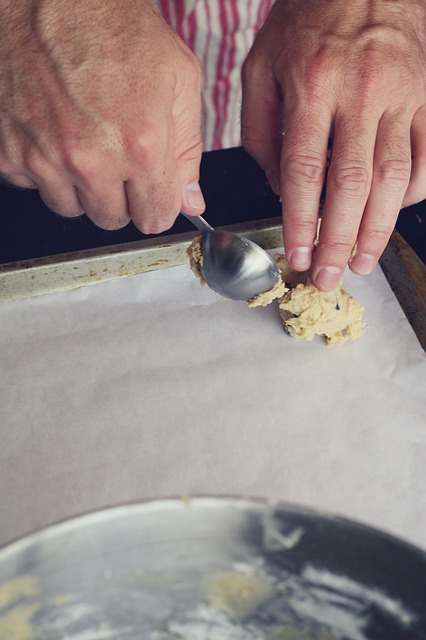
Back to W’s love of the elf cookies? He really likes the ones we make from scratch. Cookies made from scratch aren’t just better because you know what you’re putting in them but then your house smells WONDERFUL! To top that, though, I truly think the best part about making cookies from scratch is when you are making them with your child or grandchild or even perhaps a spouse or best friend. I don’t mind cooking but my favorite cooking experiences are when it’s with someone I love.
We sometimes have parties and my bestie comes over early and we will bake, create, and arrange party snacks, appetizers, and desserts for hours, sharing a lot of laughs in the process. I love making memories with my kiddos as they learn to measure, pour, stir, and create a tasty treat with me. They’re also learning life skills they will need when they become adults; I do confess that I am looking forward more to when they can make a meal in the kitchen 100% independent of my assistance. I can start asking them what’s for dinner when I get home! How awesome is that?!
So how about you, dear reader? How hard is it to choose a greener option when making a purchase where the siren call of convenience beckons you? What factors play the biggest role(s) for you in purchasing convenience over more eco-conscious or vice versa? Share with us as we all try to go green, fellow Texans!
 Going Green In Texas