There is a line from Henry Wadsworth Longfellow’s poem titled “The Rainy Day” that says “into each life some rain must fall” and that is the focus of today’s Financial Friday. Rain is a great metaphor for those events occur in our lives that that are unexpected, not always welcomed, could overwhelm us with their rapidly moving and changing currents, or threaten to drown us altogether depending on our situations. I’m referring to things like a medical emergency, an automobile accident, an emergency vet visit, or someone steals your money through fraud somehow; what made us wake up was a $400 water heater replacement the day before Thanksgiving. These are those life events that could possibly occur and you never know when they will happen.
You have probably also heard the phrase “save for a rainy day.” Today, we’re talking about savings because your savings could be the life raft that keeps you from sinking back into more debt. An article I read in the Washington Post stated that 4 in 10 Americans cannot cover a $400 emergency. This is a sad situation considering that “the most recent figures from the U.S. Bureau of Labor Statistics puts [the savings rate] at 6%, the lowest level since the 2008 financial crisis.” This is a 60-year downward trend; in the 1970s, the savings rate was in the double digits.

When J and I started reading up on Dave Ramsey, he stated that one of the first baby steps is to create a $1,000 emergency fund. At that point in our life, trying to save up $1,000 seemed as unattainable as one of us winning the lottery… and we don’t buy tickets. However, the reasoning behind having that emergency fund made sense. We both have insurance through our employers and our deductibles would have been less than $1,000. If we had a medical emergency during this time, we could pay the deductible from savings; yes, our savings would have dipped down BUT using the savings would have prevented us from generating more debt (most likely on a credit card).
Looking back, if we had had that $1,000 emergency fund when the water heater broke, we could have purchased the water heater from savings and been able to carry on with our holiday plans. Maybe it was a good thing that we didn’t have that $1,000 after all; we might not have made the changes we did and be where we are now.
So if you are beginning your debt journey, make that $1,000 savings a priority. Build it into your budget with its own line item just like any other debt. Yes, you will be putting money aside that you could be using for your snowball but this money is a way of safeguarding against needing to use that credit card or cards again for an emergency. That’s usually why we hang on to those cards, isn’t it? Even when the credit limit is almost reached, we keep it in our wallets “just in case.”
That was my thought process when we first started. That is why I froze my cards in a Tupperware instead of cutting them up with a pair of scissors or running them through the shredder. The thought of not having access to them “just in case something happened” made my stomach hurt just as bad as when bills came in and there wasn’t any money to pay them.

Source: Image by Charles Thompson from Pixabay
You know what is funny though? Ever since we created the budget and started working it each month, staying on target and within our means, paying down and then off each debt on our spreadsheet, we never had to touch that $1,000. Eventually, we added our savings into the spreadsheet and would tuck in $50 a month or perhaps $100. Slowly but surely that baby savings account balance grew to where I no longer felt I had to keep my credit cards available to me “just in case.” We had reached a fiscal point where we could fund “just in case” with savings rather than credit cards. I’m not talking about major situations but for medical deductibles or an unexpected auto repair, we could pay for it.
You might be in the beginning steps of your financial journey but I promise that having even a few hundred in savings is better than nothing. I would also recommend that you keep your savings in a couple of places. By this, I mean that having some savings in cash somewhere secure in your home might not be a bad idea. We have had a couple of phishing attempts on our bank accounts from hackers. The fraudulent charges were caught early thanks to our bank’s monitoring services as well as our frequent checks on our account activity. However, not everyone is so lucky and all it would take is enough time and a savvy enough hacker or thief to wipe out your account. What would you do for purchases while getting the fraud cleared up (if possible)? Use cash you have tucked aside for just such emergencies. If you’ve seen the 2000 movie “Coyote Ugly,” there’s a scene where the main character’s best friend tucks a roll of cash in her freezer as some mad money in case of emergency. Not bad advice!
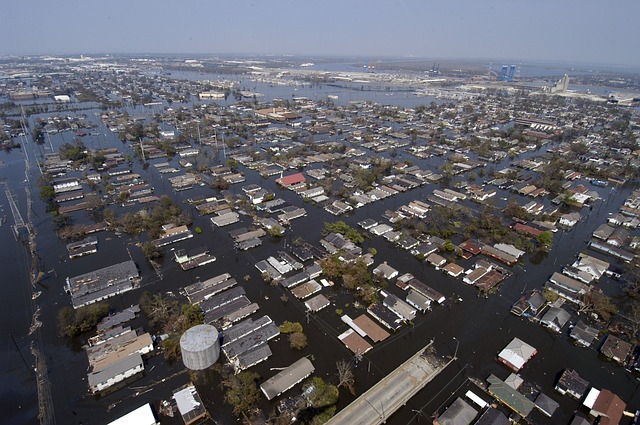
Image by David Mark from Pixabay
I use to live near the Gulf Coast and hurricane season was always interesting because you never knew if you would be experiencing flooding or severe winds or who knows what. However, you stayed prepared with bottled water, canned food, batteries, that sort of thing. One item that was highly recommended was keeping some cash on hand. Regardless of where you live in the state of Texas, natural disasters can occur as could unexplained power outages or simply a run on the local ATM that drained it of cash. If the power is out, how could you pay for supplies? You can’t pull cash and they can’t swipe your debit card. Thus, a little cash tucked away for that rainy day can really be a blessing when you need it. Just make sure to pay back your savings when you can.
Stuff happens. We cannot plan for everything but we can prepare ourselves by saving so that when that rain falls into our lives, we don’t immediately drown. So how can you save up your $1,000 emergency fund? There are several options out there if you search online for ways to make cash fast. Here are some of the more popular ones:
- Sell things online. Your local community may have a social media sale page where you could list items or through other sites like Craigslist or eBay. Have items that you haven’t used in years or furniture that it just gathering dust? List it and put that cash towards your newly started emergency fund. This includes jewelry you never wear anymore or no longer love.
- Have a garage sale. In my community, we have to pay $3 for a garage sale permit but that’s a minimal investment in an event that usually generates a few hundred dollars during a single day. This is a great opportunity to clean out closets, purge some stuff, and make a few bucks. Be sure to advertise or promote your location. Perhaps you could join together with family, friends, or neighbors to have a multi-family garage sale. It might draw more customers.
- Monitize your hobby or talents. If you have some sweet skills in something, offer those services or talents to make extra cash. You could join online communities like a freelancing services community or advertise through word of mouth or social media. Are you skilled at making things? Could you make and sell those crafty items? Or perhaps market your skills at making those items and soliciting orders? I have a lot of experience with the written word so in addition to my day job, I also offer freelance editing services. It isn’t consistent income for me right now but it’s a little bit here and there which can add up with time and additional promotion.
- Get a part-time gig on the side. If the idea isn’t appealing to work more, think of it as a short-term thing where you may be working a bit extra for a while but the return of having savings and maybe getting some smaller debts paid off will make it easier to breath each night. This could be delivering pizzas or doing Uber or Lyft, if you have a vehicle, or something similar. For a while, I worked my full-time job as well as a part-time job in the evenings at a local retailer. It didn’t pay a huge hourly amount but it was a decent addition to our income when we needed it.
- Online surveys. Several websites suggest doing surveys through various companies. This seems to be very small fiscal returns but if you have the time and energy, hey, that’s money you didn’t have!
There are a lot more options out there and some are outside of the box. These are just a few suggestions to start generating ideas. Did you know there’s even a national campaign to increase awareness about saving money? I didn’t either until I was doing some research for this blog post. America Saves Week will be February 24-29, 2020; according to their website, “it is a national opportunity for organizations to work together within their communities to transform the lives of millions of Americans. It is the framework in which participating organizations annually take on the savings challenges that their constituents face with support from local and national partners. ”
Americasaves.org also has resources and tips for saving that might be worth looking into. I have mentioned Dave Ramsey a few times because that’s whose advice I first started reading when I was looking for resources and direction. There are several others out there that might appeal to you more like Suze Orman or Mr. Money Moustache; do some reading and see what they suggest. To achieve financial success, you need to determine what will work best for you. There is not a “one size fits all” when it comes to how we can achieve financial freedom.
The bottom line is to make setting aside money strictly for emergency savings just as important as debt repayment. If you are able to keep yourself housed and fed and have money to pay your debts, work savings in there too. Don’t be like us where we were one $400 water heater away from financial disaster. That savings might be the one thing that keeps you going, knowing that if or when the rain falls, you have an umbrella waiting to help shelter you during that storm.
Go green, my fellow Texans! Fiscally green. 😉
 Going Green In Texas