
Did you know NASA (I double checked; it is the space organization, not another organization with the same acronym) partnered with the Associated Contractors of America in the 1980s to do a study (Interior Landscape Plants for Indoor Air Pollution Abatement) to determine the best plants for removing indoor air toxins? The first list of plants from their study was published in 1989 and the science remains as valid today as it was then.
They discovered that some plants were effective at filtering out toxins such as benzene, ammonia, and formaldehyde from the air, thus helping to neutralize the effects of sick building syndrome; sick building syndrome is basically what it sounds like where people have health complaints for no identifiable reason. Wikipedia states that “the main identifying observation is an increased incidence of complaints of symptoms such as headache, eye, nose, and throat irritation, fatigue, and dizziness and nausea.” The toxins that NASA’s study that were filtered by plants can cause a range of symptoms. An article from lovethegarden.com lists the following toxins and symptoms:
Trichloroethylene: Symptoms associated with short term exposure include excitement, dizziness, headache, nausea and vomiting followed by drowsiness and coma.
Formaldehyde: Symptoms associated with short term exposure include irritation to nose, mouth and throat, and in severe cases, swelling of the larynx and lungs.
Benzene: Symptoms associated with short term exposure include irritation to eyes, drowsiness, dizziness, headache, increase in heart rate, headaches, confusion and in some cases can result in unconsciousness.
Xylene: Symptoms associated with short term exposure include irritation to mouth and throat, dizziness, headache, confusion, heart problems, liver and kidney damage and coma.
Ammonia: Symptoms associated with short term exposure include eye irritation, coughing, sore throat.

We live so much of our lives in our homes. Often, especially in our southern states like Texas, the windows are sealed up tight and the air conditioning is blasting the indoor climate to cooler temperatures. But what does that do to the air quality we’re breathing in? Chemicals from fabrics, flooring, cleaning supplies, and who knows what silently emitting into your recycled air. I remember growing up that my mom would love to turn off the air conditioning, open all the windows, and let fresh air flow through the house on breezy days. She’d leave the fans on to help with circulation but the house always smelled so much fresher. That is something I would like to do with our next home as we are in a location where breezes are more constant than not. Our previous homes have not been as conducive to doing that due to windows that would not open much, if at all, for one reason or another.
So when you can’t always bring the outdoors in through open windows and strong, fresh breezes, why not bring the outdoors in through well-chosen plants?
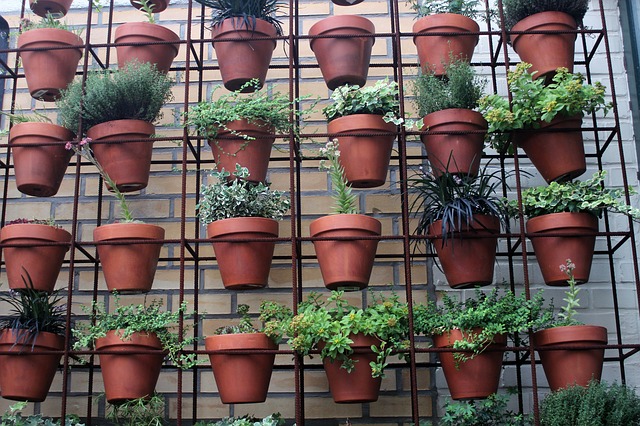
Image by Maike und Björn Bröskamp from Pixabay
Some of the top rated plants for indoor air purification are things like aloe, spider plants, peace lilies, weeping fig, Gerber daisies, and chrysanthemums. I found a great article that includes images of 12 recommended plants for indoor air purification along with their scientific and common names. Having the common names is very helpful to the average reader because I would never have realized that a weeping fig is what I consider a ficus tree. Who knew?
Now, aloe I have tried always keep a pot of around the house. It has sometimes been flourishing and other times, it has looked rather bedraggled. Regardless, I have it around for the medicinal properties. I have actually used it for those properties maybe five times or less in my life. But in case of severe sunburns during a zombie apocalypse, I can cover a hand and maybe one arm with aloe gel. If it is a skinny arm. Right now, the aloe is a bit sparse.
I also think having plants increases the home factor because it is more life inside your house. They just sit in their pots, quietly growing, soaking in the sun and carbon dioxide and emitting oxygen and more leaves. All they ask for is water, sun, and perhaps a little food now and then. At least they don’t leave dirty laundry on the floor next to the hamper. Definite plus! I know some people talk to their plants and (raises hand) I have also done that. Sometimes it is nice to say aloud the thoughts you have rattling around your head to a living organism and at least a plant can’t rat you out when you are listing pros and cons of a relationship or your worry about finances or a child’s behavior. They are a captive audience.
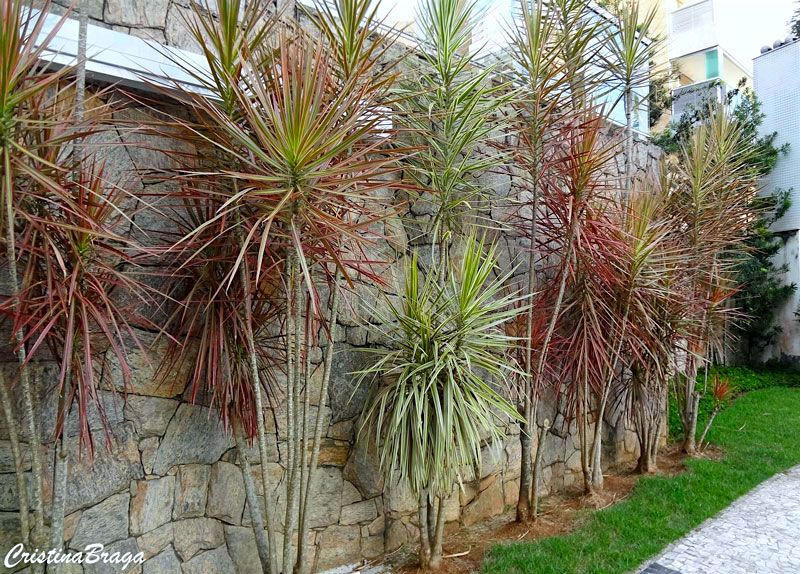
While the above list of plants that NASA approves, I will admit that I have a particular fondness for a plant that, until tonight, I called Dragon’s Tongue. Then I tried to find a picture to share with you. Apparently I am the only one to call it that. The actual name is Dracaena Marginata aka Madagascar Dragon Tree (learned this on a website that nothing but Dracaena plant information: http://www.dracaena.com/). At least there was a Dragon in the name. These things look like tiny palms but with single leaves instead of broad fronds.
I had a trio of these awesome beauties at my apartment in college and they were about 2-3 feet tall with nice, thick trunks and beautiful tricolored leaves. Then… I added bright blue and white aquarium gravel to their pot. BAM! I had three tropical plants growing out of a faux ocean setting. Might be silly but it made me smile when I would sit in my chair on my apartment balcony and look over to see the leaves swaying in a breeze just like their larger counterpoints would be doing along the edge of the ocean. Little did I know that in the right environment like sunny Florida, these amazing plants can reach 15 feet tall! I wonder how tall they could get in Texas.
So while NASA has a great list of plants to improve your indoor air, I say spice it up and get a few that make you smile too. You’re more likely to water them if you like them. I personally do not care for the Mother-in-law Tongue plant (Sansevieria trifasciata). We had a large pot of them on our porch growing up and the spiders liked to live in the whorls of the leaves. I have always thought ficus were kind of pointless but I guess they too could serve a purpose as indoor air quality control.
So tell me, what grows inside your home? Or maybe just outside it? Are there any plants that you make sure to water regularly? Go green, Texans, and breath some of that nature-provided oxygen with your own forest of indoor plants.
 Going Green In Texas