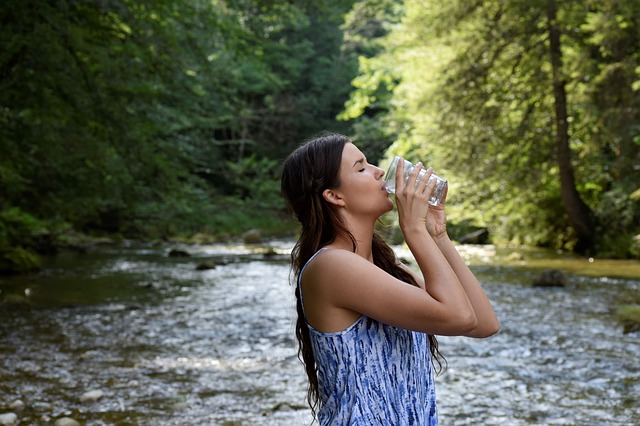
According to an article with the United States Geological Survey, up to 60% of an adult human body is comprised of water. Water is needed for a number of vital functions such as regulating our body temperature, assisting by flushing toxins from our bodies, lubricates joints, forms saliva, and transports the carbohydrates and proteins that our body processes as food to keep us going every day. In our country, fresh, drinkable (aka potable) water is easily attainable. That can’t be said for every area of the world unfortunately. With such a precious resource in our world, it is our responsibility to be good stewards of that resource and there are a few ways we can do that.
The Environmental Protection Agency has stated that the average American family of four people uses 400 gallons per day. Through some simple changes in our daily habits and by making conscious choices in how we use water.
When I was younger, I had no problems letting the faucet run while brushing my tooth. Nowadays, I turn the water off unless I actually need it. A crazy fact that the EPA notes is that a bathroom faucet can go through 2 gallons per year. Humana.com says we’re supposed to brush our teeth twice a day for two minutes each time. So that means that one person could potentially go through 28 gallons of water per week just to brush their teeth. Multiply that times four people and that is over 100 gallons per week in teeth brushing alone. Kind of mind boggling.
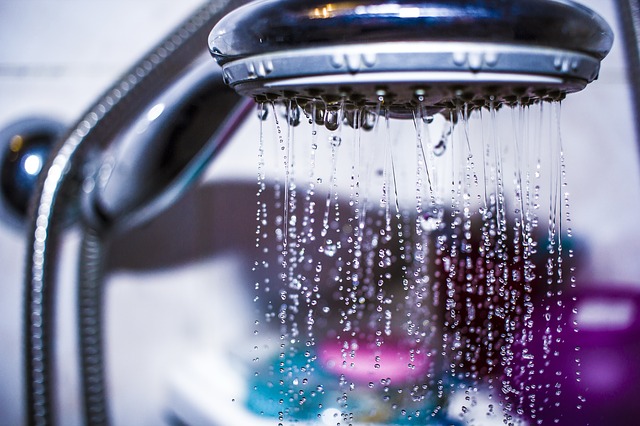
Another tip is to fix your leaks. Is the wax ring on your toilet cracked or perhaps the rubber seal inside the tank misshapen from mineral deposits? A leaky toilet could run through 200 gallons unnecessarily from a leak per day. We had a leaky shower faucet that would do a slow drip that you never really noticed until it was late at night and you were trying to sleep. Then that drip… drip… drip… was incessantly loud. So not only did replacing that faulty shower faucet help preserve water but also our sanity.
Another tip would be to purchase low-flow appliances such as toilets and washing machines. When we did a bathroom remodel on our 1920s house, we opted to go with a low-flow toilet. I was not sure at first as far as how effective it would be but technology has made some great improvements. The low-flow toilet we went with also had the option of pressing separate buttons for liquid waste versus solids. It took my eldest a few months to figure out how to work the buttons and it never failed to crack us up when our friends’ children would have to ask why the toilet didn’t have a handle.
A Forbes article talked about how the water usage for older toilets is quite a bit higher than newer models: “Toilets, for example, account for nearly 30 percent of an average home’s indoor water consumption. Older toilets use as much as 6 gallons per flush. But the newer, EPA WaterSense-certified toilets use just 1.28 to 1.6 gallons of water per flush. Dual-flush toilets use even less water.”
Another easy way to be proactive in your water conservation efforts would be to consider how your yard and plants are watered. Hand watering your potted plants would help to get your water to the plants with minimal over-spray which would have water hitting the ground rather than the potted plants you want to water. I also like to use the leftover water from steaming vegetables and pour them on my potted plants. I always feel like it’s giving them a boost of vitamins or something though in retrospect, would that be like plant cannibalism because it’s plants are absorbing the nutrients of other plants?
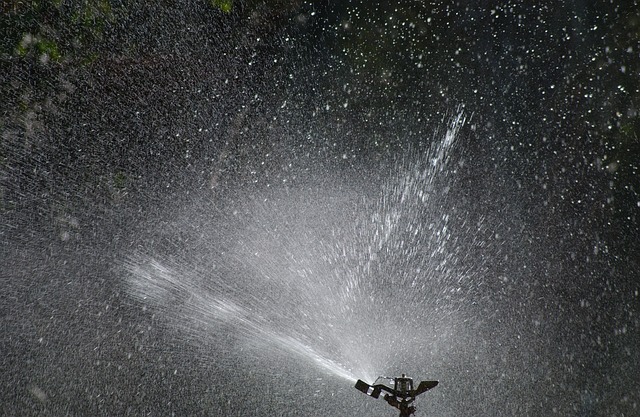
Image by Antoinette de Santis from Pixabay
With your irrigation efforts, target your sprayers low and for maximum effectiveness, make sure you are using a sprinkler that works best of the area you’re trying to cover. We are currently in an apartment and the property staff use a traditional sprinkler. This afternoon, I kept hearing this muffled repeated soft thumping at the door. I thought it was the kids but after watching them play, I ruled them out as the culprits. Further detective work led to me opening the front door just in time to shut it. Yep, that thumping was the sprayer shooting water at my door rather than sticking to the yard. In addition to watering the concrete, it was coming under the door and inside the apartment. Definitely not the best use of water.
There are a ton of other great tips out there for water conservation but I thought these could at least be a good starting point in making changes in your life. Stay green, fellow Texans!
 Going Green In Texas