While I grew up in the outskirts of Houston in a fairly rural area where our closest neighbors were a couple of miles away, my family wasn’t exactly agriculturally inclined. My dad was a farrier, a truck driver, a few other things, while my mom was worked at a local bank before starting nursing school. We lived in the country but we didn’t raise anything on a large scale, be it produce or livestock.
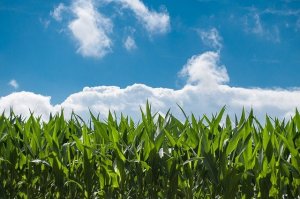
I did, however, grow up with dogs and cats aplenty. My dad would take me fishing. I rode horses at my uncle’s house; mucking out his barn every other weekend starting when I was about 12 years old was my first “job.” We had a little flower bed outside my window where we did a little gardening. I’m talking maybe three feet deep and five feet across and filled with a variety of flowers and a few veggies. One time, we even tried a couple rows of corn. I remember that year well because the tall stalks blocked the sunlight into my bedroom window. When I would look outside, it was like looking through a forest because of the corn stalks and leaves.
We didn’t really have any livestock at our place until I was a sophomore in high school and joined the school’s FFA program. FFA is Future Farmers of America and according to their website, they are the “premier youth organization preparing members for leadership and careers in the science, business and technology of agriculture.” The motto was probably the same or very similar 20+ years ago. I still remember my ag teachers, Rodney Parish and Carroll Grimm. Mr. Grimm passed away a few years ago but still I remember the first week or so of my first Ag class with him, when he realized that he knew my dad and his family, he said, “I remember you when you were knee-high to a cricket!” Talk about mortifying for a 14-year-old girl who wondered what she got herself into.
However, it was while under their tutelage that I got involved in animal husbandry on a small scale. My sophomore year, I raised and showed New Zealand White rabbits. The next year, it was rabbits and chickens. For my senior year, I showed rabbits, chickens, and a goat. It may have been a good thing I started FFA in my sophomore year rather than as a freshman. Who knows how many projects I could have added in that extra year.
My husband was involved in both FFA and 4H and his side of the family was much more involved in agriculture activities than mine. His parents and grandparents had land where they grew crops and raised cattle. My husband’s show animal of choice was a pig. Since he was about eight years old and up, he would raise and show pigs. He also got the muscle-building activities that circle around cutting wood, hauling hay, and moving cattle through the squeeze chute for their ear tags.
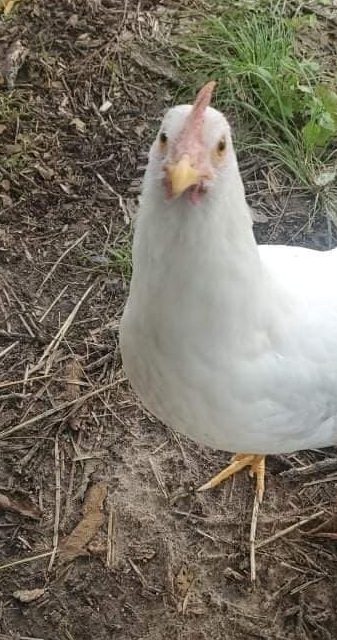
College and early adulthood, we didn’t bother with livestock or any ag-related ventures unless you count a few years raising Dutch rabbits for fun. They were strictly pets, not for meat consumption. Now, as we are raising our own kids, we want them to experience the life lessons one can learn from having that exposure to agriculture. They won’t think that vegetables and meat just appear at the grocery store. No, I want them to learn the whole cycle, from farm to table. I think it will give them a greater appreciation for where their food comes from. There are so many more life lessons one can get from being responsible for something else, whether it is plants or animals.
I think we learn to be a little less self-centered when there are little critter eyeballs staring at you, waiting for you to bring their dinner buckets. We learn about consequences when the plants start to wilt because they have been too long without water. We experience the rush of pride when we pick our first ripe pepper off the plant. We have satisfaction when we make our meal with produce from our backyard in knowing where our food came from and whether or not it had pesticides applied during its growth.
Maybe it is a desire for my kids to appreciate what they have and that nothing comes without hard work or for them to learn the same life skills that my husband and I gained from our experiences in agriculture. No matter the reason, I am excited to see our next generation learn and grow like we did. They have had a bit of experience with plants since their toddlerhood; now it’s time to bring on the critters!
 Going Green In Texas