So our little microfarm, as I think of our venture, is continuing to move right along through the seasons. Now that there is a nip in the air, the chickens are actually going into their coop instead of perching on the apex of the chicken run.
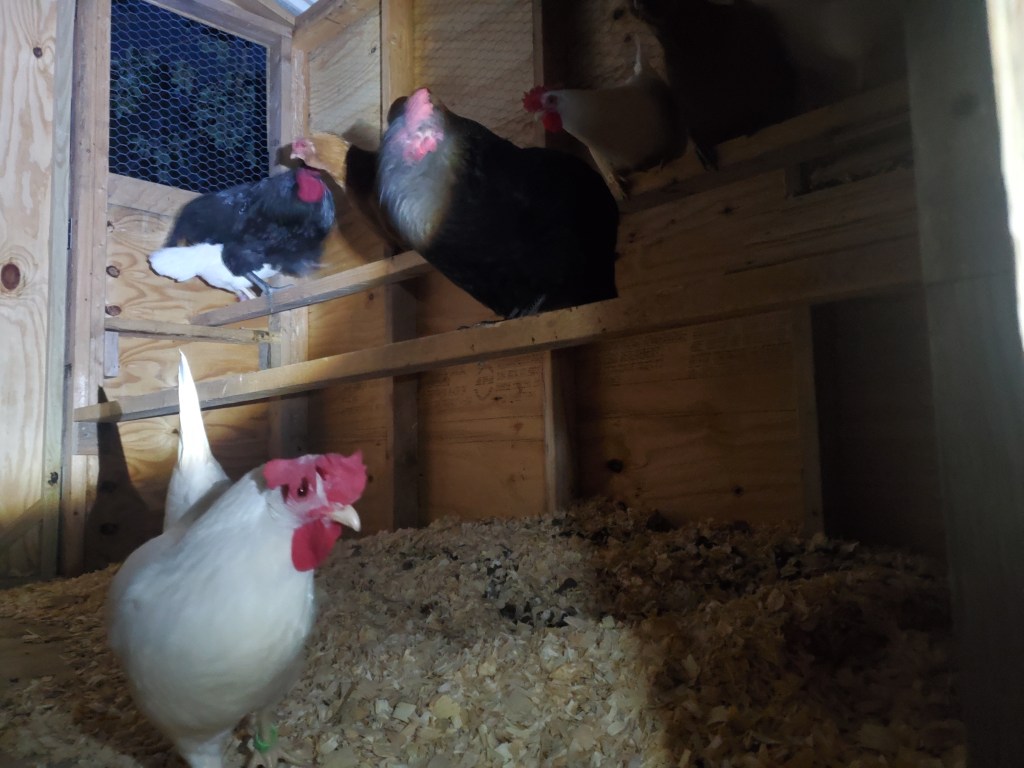
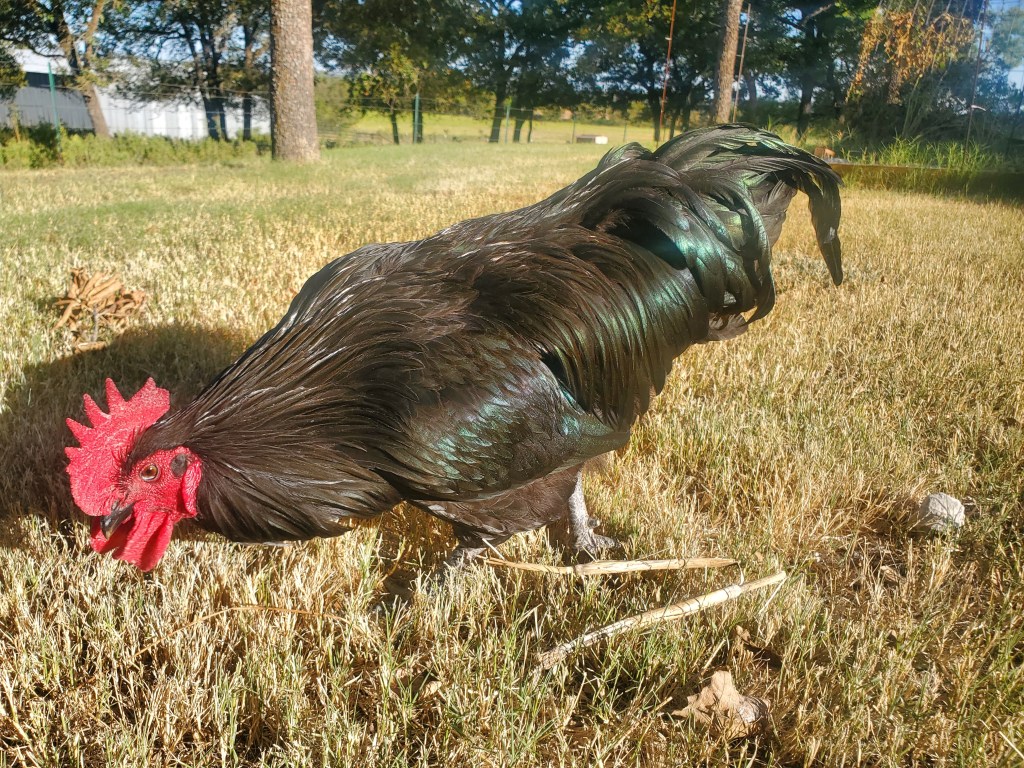
The husband and I were getting quite the workout getting them down after dark. We are not tall people and the top of the chicken run is a bit of a stretch so we would use a small rake to lift the birds one at a time off the run and into the coop. The leghorns are fairly lightweight and easy to shift, the Easter eggers weigh a bit more so it’s like adding a bit more weight to your exercise regime. And then there are the Jersey giants. They are our biggest birds and also our most distant when it comes to human contact. They aren’t the first to come running when I break out the mealworms. They also don’t like to get on the rake to get lifted down.
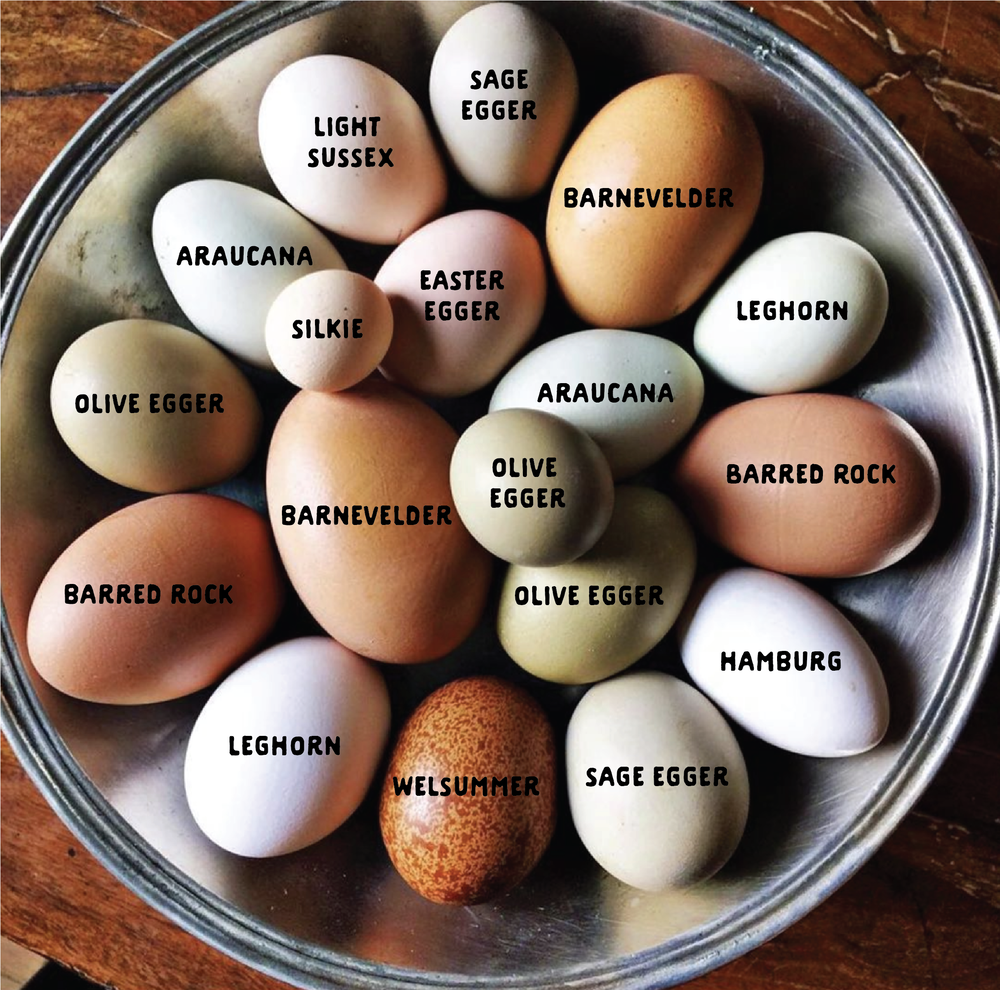
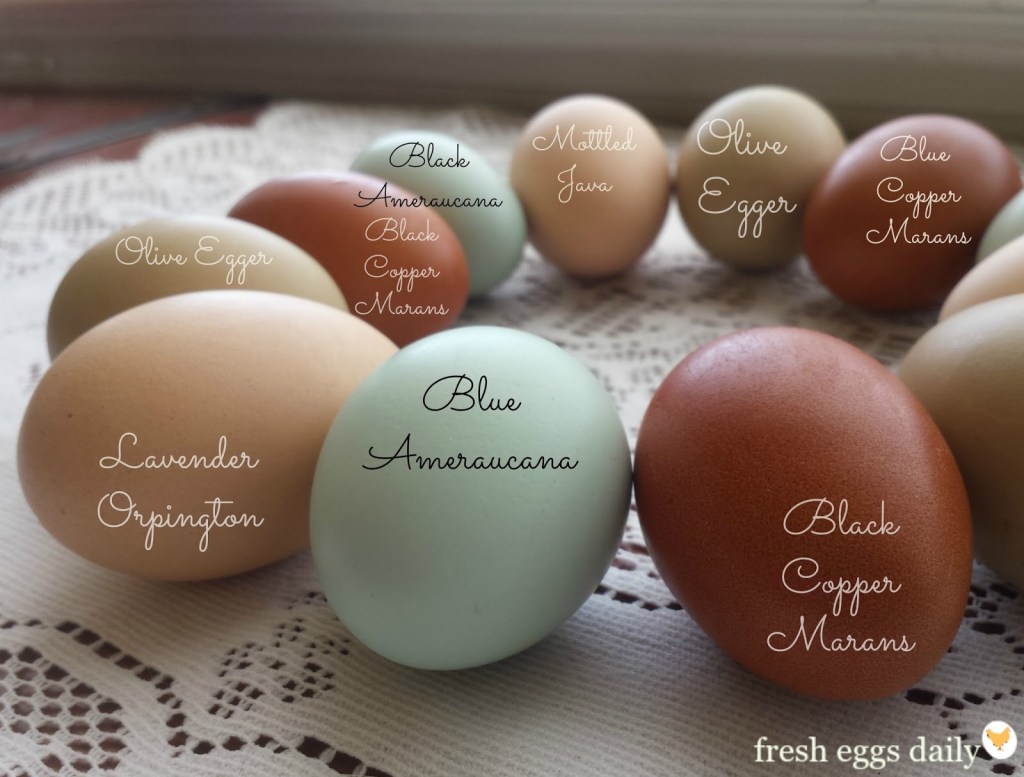
Since the chickens started producing eggs, we have had a nice range of colors and I’m secretly hoping to add a couple of more next year. We have three that lay olive colored eggs, one is a buff or beige/, light tan color, the leghorns lay white eggs while the Jersey Giant hen lays a light brown. My husband would love to have some of the darker brown, almost burgundy colors from Marans while I’m eyeballing something that lays a blue egg. There are so many options! My other question is how many eggs; the leghorns are quite prolific. Would the other breeds be as well?
We have the room in the coop and if our egg sales interest is any indication, we will have enough people looking for farm fresh eggs to help compensate for a bit of an increase in the feed cost. The chickens get feed plus free range in the afternoons. On weekends when we are home, they get out all day.
We recently carved pumpkins and we kept all of the guts to feed the chickens. They also got leftover papaya. I told one of my friends that the chickens better not get used to such fare all the time. This is a treat, not the norm!
So with all these eggs, once you eat the egg, you have the shell. Some people toss them in the trash, some people put them in their compost or garden. Ours get put in the oven and bake a bit before going into a bag for crushing.

So why save and crush the shells? To feed back to the chickens! Eggshells are high in calcium, which is needed to create the eggs. After baking them a bit to dry them out, they are crushed into basically a dust that will get sprinkled in the chicken feed. This does a few things. We are getting calcium back into the hens’ diet to help them make more eggs. We are also removing it from the trash and compositing in a landfill. They could go in the garden as well to help improve soil health. I also read some articles about how they can be used as a barrier to prevent snails and slugs from getting to your plants, but I haven’t tried that yet. They get baked first to make it easier to crush and they are crushed so that the chickens aren’t aware they are eating eggs. I don’t want them eating their own eggs!
Eggs can be used in so many ways and their shells can be too! From calcium supplement to post control to soil improvement, these are just a few ways how the shells can serve just as much purpose as the contents within.
Stay green, my friends!
 Going Green In Texas